
Advanced PRK Eye Surgery in Murray, Utah
PRK Vision Correction and Laser Eye Surgery

4.9 Rated
Trusted by Thousands of Utah Patients

Safe Laser Vision Correction for Thin Corneas and Active Lifestyles
PRK eye surgery is an advanced laser vision correction procedure that reshapes the cornea to improve nearsightedness, farsightedness, and astigmatism. Unlike LASIK, PRK does not require the creation of a corneal flap, making it an excellent option for patients with thin corneas or individuals with active lifestyles who may be at greater risk for eye injuries.
At Parker Murri Vision, our experienced refractive surgeons provide customized PRK laser eye surgery using advanced excimer laser technology to help patients reduce dependence on glasses and contact lenses while improving long term visual clarity.
Benefits of PRK Eye Surgery
Bladeless Laser Vision Correction With Long Term Stability
PRK offers safe and effective vision correction for many patients who may not qualify for LASIK surgery.
No Corneal Flap Required
PRK removes the surface epithelial layer instead of creating a corneal flap, eliminating flap related complications.
Ideal for Thin Corneas
Patients with thinner corneas or larger pupils who may not qualify for LASIK are often strong PRK candidates.
Excellent Long Term Vision Results
PRK delivers highly precise laser vision correction with visual outcomes comparable to LASIK surgery.
Understanding the PRK Procedure
What to Expect During PRK Laser Eye Surgery
During PRK surgery, anesthetic eye drops are used to keep patients comfortable while an excimer laser carefully reshapes the cornea to improve vision. After treatment, a protective bandage contact lens is placed over the eye while new epithelial cells heal naturally over the following days.
Although PRK recovery typically takes longer than LASIK recovery, many patients choose PRK because it preserves corneal strength and avoids flap related risks associated with traditional LASIK procedures.
The PRK procedure offers distinct benefits to individuals whose activities put them at elevated risk of eye injury (boxers, for example) and for patients whose corneas are too thin, or whose pupils are too large, to permit LASIK. PRK also avoids not only the complications from corneal flaps, but a serious complication of LASIK known as corneal ectasia, which can result in distorted vision
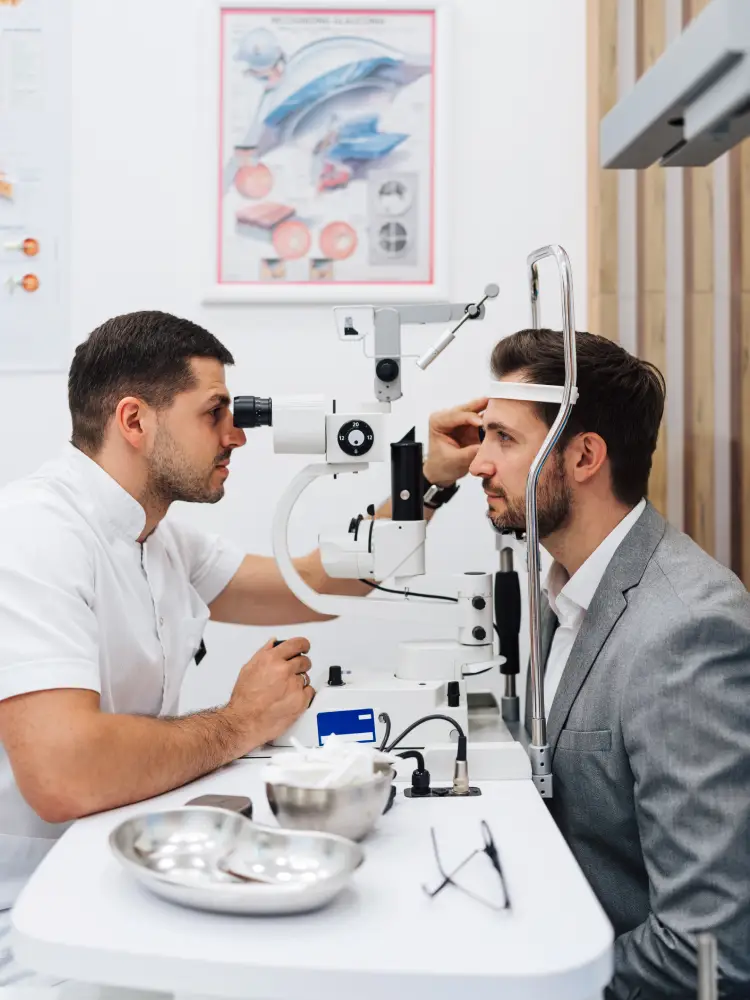

Trusted Eye Care and Vision Correction in Salt Lake City
See why patients throughout Utah trust Parker Murri Vision for comprehensive eye care, cataract surgery, LASIK, and advanced ophthalmology services.





PRK Eye Surgery FAQs
Common Questions About PRK Vision Correction
PRK, or photorefractive keratectomy, is a laser eye surgery procedure that reshapes the cornea to correct nearsightedness, farsightedness, and astigmatism.