
Routine Eye Care in Murray, Utah
Eye Exams
and Vision Testing

4.9 Rated
Trusted by Thousands of Utah Patients
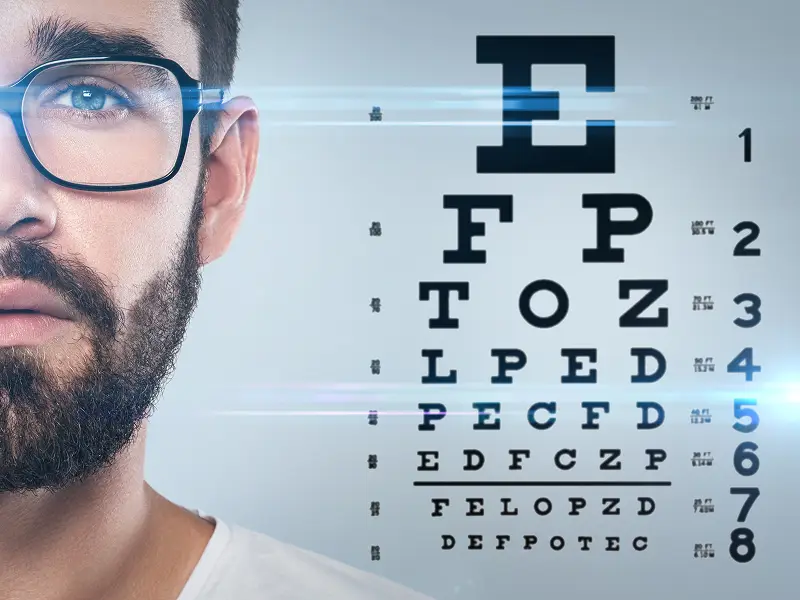
ANNUAL EYE EXAMS, VISION TESTING & PRESCRIPTION UPDATES
Eye Exams for Glasses, Contact Lenses and Blurry Vision
Parker Murri Vision provides eye exams in Salt Lake City for children, adults, and seniors. Whether you need an updated glasses prescription, contact lens exam, treatment for blurry vision, or routine vision testing, our eye doctors provide personalized care using advanced diagnostic technology.
Regular eye exams help detect vision changes and eye diseases including glaucoma, cataracts, diabetic retinopathy, and macular degeneration before symptoms become more serious. Our team evaluates your vision, eye health, prescription changes, and overall ocular health during every appointment.
BENEFITS OF ROUTINE EYE EXAMS
Why Regular Eye Exams Matter
Routine eye exams help keep your prescription accurate while identifying vision problems and eye diseases early.
Detect Vision Problems Early
Eye exams can help identify blurry vision, astigmatism, nearsightedness, farsightedness, glaucoma, cataracts, and other eye conditions before permanent vision changes occur.
Update Glasses and Contact Lens Prescriptions
Vision can gradually change over time. Regular eye exams help ensure your glasses and contact lens prescription stays accurate and comfortable.
Monitor Overall Eye Health
Eye exams may reveal signs of diabetes, high blood pressure, high cholesterol, and other underlying health conditions that affect the eyes.
Vision Testing & Eye Health Evaluations
What to Expect During an Eye Exam
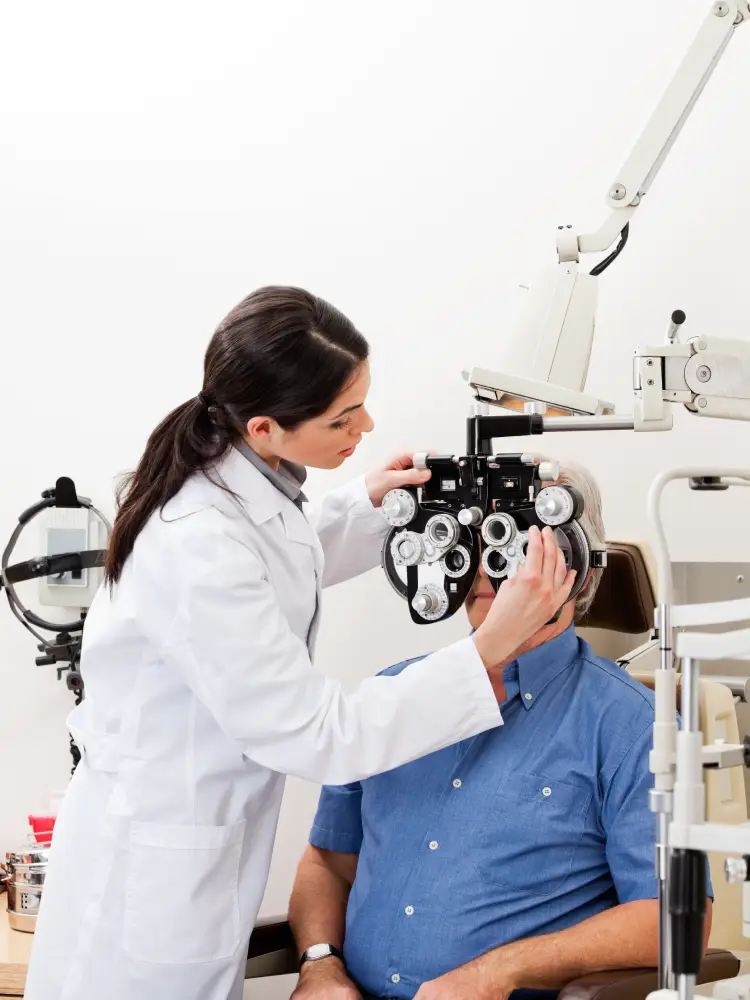
An eye exam evaluates more than just whether you need glasses or contact lenses. During your appointment, our eye doctors check your visual acuity, prescription changes, eye pressure, retinal health, and overall eye function.
Depending on your symptoms and eye health history, your exam may include vision testing, retinal imaging, glaucoma screening, pupil dilation, refraction testing, and evaluation for cataracts, diabetic eye disease, and macular degeneration.
Routine eye exams are essential for maintaining healthy vision and detecting eye conditions before symptoms develop. Many serious eye diseases, including glaucoma, macular degeneration, cataracts, and diabetic retinopathy, can progress without noticeable warning signs in their early stages. Regular eye examinations allow these conditions to be identified and treated as early as possible.
Even healthy adults should have routine eye exams, as they can also help detect medical conditions such as diabetes, high blood pressure, and high cholesterol. Early detection and treatment can help preserve vision and reduce the risk of permanent eye damage.
Schedule an Eye Exam Today
Whether you need a routine eye exam, contact lens exam, or updated prescription for glasses, our experienced eye doctors are here to help. Parker Murri Vision proudly provides eye exams and vision care for patients throughout Salt Lake City and surrounding areas.

Trusted Eye Care and Vision Correction in Salt Lake City
See why patients throughout Utah trust Parker Murri Vision for comprehensive eye care, cataract surgery, LASIK, and advanced ophthalmology services.
Vision Conditions Detected During Eye Exams
Routine eye exams help diagnose common refractive errors and vision problems that can affect everyday activities such as reading, driving, computer use, and distance vision. Many of these conditions can be effectively treated with glasses or contact lenses.
Astigmatism occurs when curvature of the eye is irregular. There are two types of astigmatism: corneal, in which the shape of the cornea (the clear covering of the eye) is irregular, and lenticular, in which the lens is imperfectly shaped. Corneal astigmatism is more common. Astigmatism can result in blurred vision at any distance.